


If you’ve ever paused before lining your Air Fryer basket with foil, you’re not alone. The question “can I put tin foil in an air fryer?” comes up often and for good reason. After all, air fryers rely on rapid hot-air circulation to crisp food, and anything that interferes with that could mess up your cooking (or worse). In this article, we’ll explore whether you can safely use foil in your air fryer, when it’s appropriate, the key dos and don’ts, how to do it right, and alternatives when foil may not be ideal.
What Do We Mean by “Tin Foil”?
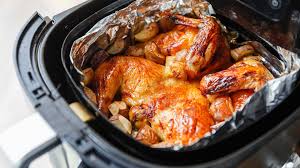
When people say tin foil, they often actually mean aluminum foil. Tin-coated foil was used historically, but today’s standard kitchen foil is made from aluminum. For the purposes of this article, we’ll use “foil” to refer to aluminum foil that you might want to use in your air fryer.
Can You Use Foil in an Air Fryer? Short Answer
Yes — you can use foil in an air fryer, but it must be done with care. Several expert sources confirm that foil is safe as long as you follow guidelines.
However, there are important caveats, because air fryers work differently from ovens or microwaves, and misuse of foil can reduce performance or cause risks (blocking air flow, touching heating element, etc.).
How an Air Fryer Works (and Why Foil Matters)
Understanding how the appliance works helps explain why foil can be tricky:
- An air fryer uses hot air circulation (like a miniature convection oven) to cook and crisp food.
- There is a heating element and a fan that push hot air around the basket and the food.
- The basket generally has holes/perforations or is designed to allow air underneath the food. If you line the basket in a way that blocks these holes or cover the entire basket surface with foil, you reduce airflow. That means less effective crisping, possible soggy bottom, longer cook times.
- Also, foil that isn’t weighted down or properly secured might get blown about by the air circulation, potentially touching the heating element or fan. That could create a hazard.
Because of these operational details, whether foil “works” depends not only on whether it can go into the machine, but how it is placed and used.
When It’s Good to Use Foil in an Air Fryer
Here are situations where using foil makes sense and provides benefit:
- Sticky or messy foods: If you’re cooking something with glaze, melted cheese, or a lot of sauce that might drip through the basket, lining with foil can help catch drips and reduce cleanup.
- Delicate foods: Things like marinated fish, stuffed items, or fragile items that might stick to the basket or fall apart foil can act as a liner to support them.
- Leftovers or pre-wrapped foods: If you already have a meal wrapped in foil (for example a burrito) you can sometimes reheat it in the air fryer again, ensuring it’s placed correctly and doesn’t block airflow.
- Minimizing cleanup: If you line the base of the basket with a bit of foil, you reduce the number of stuck-on bits or burnt sauce needing scrubbing.
When You Should Not Use Foil or Use With Extreme Caution
Even though foil can be used, there are situations where you either should avoid it or use it with caution:
- Blocking airflow: If you cover the basket completely with foil so that air cannot circulate underneath or around the food, the air fryer cannot work optimally. This is one of the top mistakes.
- Lightweight foods: If you’re cooking something very light (e.g., small bits, chips) the foil might move or flutter because the fan can catch it. That can be dangerous or lead to uneven cooking.
- Acidic foods or heavy marination: Foods with a lot of acid (tomatoes, citrus, vinegar) may react with aluminum foil, leading to possible leaching of aluminum into the food. While the amounts are small, it’s a consideration.
- When the manufacturer says no: Some air fryer or countertop oven brands advise against foil because of their particular airflow designs. Always check your appliance manual.
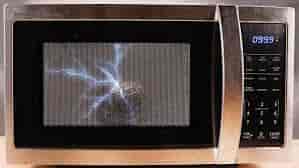
- If the foil touches the heating element: That can be a fire hazard. The foil must be positioned securely, never allowed to blow around and hit exposed heating parts.
How to Safely Use Foil in Your Air Fryer
Here’s a step-by-step guideline for correct use:
Prep the foil
- Use a piece of foil sized to cover just the base of the basket (or under the food) avoid wrapping up sides or covering the entire basket wall.
- If possible, poke a few small holes in the foil if it covers a large area this helps maintain airflow.
- Place the foil so it lies flat and cannot be lifted or whipped around by the fan.
Place food on top
- Put your food directly on top of the foil, so that the weight helps keep the foil in place. The food itself helps hold down the foil so it doesn’t blow around.
- Ensure there is some space around the food and between foil and basket walls so hot air can circulate.
Positioning
- Make sure the foil is not touching or too close to the heating element or upper fan (if your model has one).
- Avoid covering the mesh or holes entirely hot air needs to come up from below and circulate around the sides/top.
Food type & temperature
- When cooking at very high temperatures or with heavy spritzes of oil, be extra cautious: the foil must remain secure.
- For very light foods that might shift the foil, consider not using foil and instead using a perforated silicone liner or basket designed for your appliance.
Cleaning up
- After use, remove the foil, clean the basket as usual. The foil helps reduce direct mess on the basket but does not replace proper maintenance.
- Inspect the basket to ensure no bits of foil have been displaced or melted (though melting is unlikely with standard air fryer temps).
Manufacturer instructions
- Always check your particular model’s manual. Some models may have special instructions or warnings regarding foil or liners. For example, KitchenAid advises that foil in their countertop oven-air-fryer combo can interfere with airflow and is “not recommended”.
Best Practices & Tips for Nigerian/International Context
Since you are in Nigeria (Ibadan, Oyo State) and may have locally available or imported air fryer models, here are some practical tips relevant to your setting:
- Check plug and power rating: Many imported units may have 220-240 V specification; using the right voltage is crucial.
- Basket size matters: If you have a smaller basket, avoid covering more than the base; leave sufficient gap around food for air circulation.
- Local foil quality: Use good quality aluminium foil that is reasonably thick; cheaper or very thin foil may be more prone to tearing under high heat or shifting.
- Serve sauces afterwards: If you plan to cook items with heavy sauce, consider adding the sauce after crisping to reduce dripping and mess.
- Pre-heating: Some air fryers benefit from a short pre-heat (2-3 minutes) before food goes in; if you line the basket with foil, do it after pre-heat or ensure foil is secure.
- Clean filter/fan: Dust or oil build-up can reduce air flow; since foil already reduces airflow somewhat, keeping the appliance clean helps maintain performance.
- Use alternative liners: If you frequently cook delicate foods, consider perforated silicone liners or air fryer-specific mesh trays which allow full airflow and reduce need for foil.
Summary Table: When / How / When Not
| Scenario | Use Foil? | Key Action |
|---|---|---|
| Sticky, saucy food (glazed chicken) | ✅ Yes | Line basket base, leave holes, secure foil, food on top |
| Delicate food (fish, stuffed items) | ✅ With care | Use foil as sling, ensure airflow |
| Light items (chips, crumbs) | 🚫 No or minimal | Skip foil, use mesh basket directly |
| Acidic ingredients (tomato, vinegar) | ⚠️ Avoid | Choose parchment or silicone |
| Model-specific manual forbids foil | 🚫 No | Follow manufacturer instructions |
Conclusion
So, can you put tin foil in an air fryer? The answer is yes, but with important conditions. If you place foil correctly on the base of the basket, weighted down by food, with adequate space for hot air circulation and away from heating elements foil can help reduce mess, protect delicate foods, or manage drips. On the flip side, if foil blocks airflow, touches the heating element, or is used with foods that don’t secure it (thus letting it fly about), you risk uneven cooking, soggy food, or even safety hazards. For best results, always consult your appliance’s user manual, and consider alternatives like perforated silicone liners or parchment with holes. With good practices, foil becomes a helpful tool not a hazard.
Frequently Asked Questions
Q1: Will foil in an air fryer reduce the crispiness of food?
Yes — it can if the foil blocks airflow. Because the air fryer relies on rapid hot-air circulation underneath, around and above the food, a foil liner that covers the holes or blocks the base will reduce that airflow, meaning the outside of your food may not crisp properly.
Q2: Is it safe to use foil with acidic foods (like tomatoes or citrus-marinated items) in an air fryer?
It’s better to avoid foil in those cases. Acid and salt can react with aluminum foil, potentially causing aluminum leaching into the food (though amounts are small). For such ingredients, alternatives like parchment or silicone liners are safer.
Q3: Can I wrap the food entirely in foil and place it in the air fryer?
You can, but it depends on the recipe. Wrapping entirely may reduce airflow further and could slow cooking or prevent crisping. If wrapping, ensure that the basket still allows hot air flow around the wrap, and that foil doesn’t touch the heating element. For best crisp results, unwrapped or partially covered is preferable.
Also Read: How to Use a Tin Opener (2025 Updated Guide)


+ There are no comments
Add yours