
Many home cooks ask: can tin foil go in the oven? The short answer is yes, but with important caveats. Using tin (aluminium) foil in the oven can be safe and useful but if used incorrectly, it might cause uneven cooking, damage your oven, or affect food quality. In this article I’ll explore when and how you can use foil in the oven, the risks, best practices, and alternatives. By the end you’ll know confidently whether and how to use tin foil in your baking or roasting routine.
What is Tin Foil?
“Tin foil” is a colloquial term often used for aluminium foil. Actual tin-foil (foil made of tin) is largely obsolete; modern kitchen foil is made from aluminium.
Aluminium foil is produced by rolling aluminium alloys into thin sheets. Because it is highly malleable and has strong heat-conducting and reflective properties, it is widely used in cooking.
Why does this matter for oven use?
- The metallic nature means it conducts heat and reflects it.
- It’s heat-resistant enough for typical oven temperatures (but not infinite).
- Its physical placement and use determine whether it’s safe or problematic.
The Basic Rule: Yes, You Can Use Foil in the Oven
Using tin (aluminium) foil in the oven is generally safe and very common. For example:
- It can be used to cover dishes to lock in moisture during baking or roasting.
- It can line baking sheets or pans to make cleanup quicker and help heat distribution.
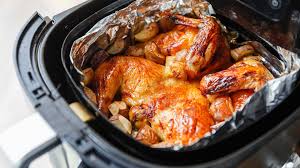
- It is used in foil-packet meals (food wrapped in foil and baked) because it functions in high heat and catches flavour & moisture.
So if your question is simply “Can I put foil in the oven?” the answer is Yes, as long as you follow some key guidelines (which we’ll cover shortly).
When Using Foil Is Safe Typical Scenarios
Here are common situations where using foil works well:
Wrapping food or making foil-pack meals
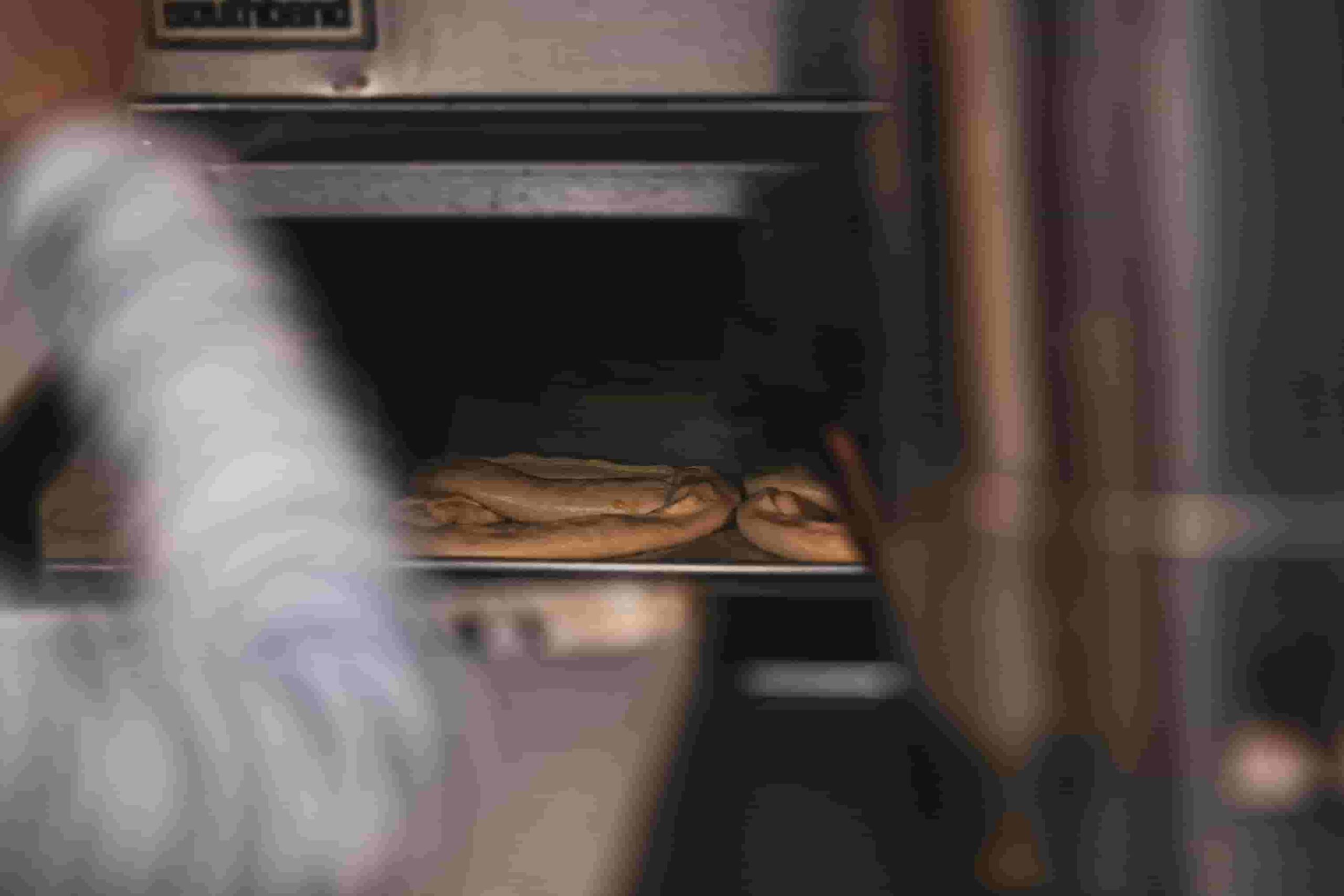
You can wrap vegetables, meats, fish in foil, seal them, and bake or roast them. The foil retains moisture, allows steaming and baking simultaneously.
Covering dishes during baking
If you’re baking something that you want to brown without burning the top, you can loosely tent foil over the dish so the interior cooks but the top doesn’t over-brown.
Lining baking sheets or pans
Foil can be placed on a baking tray, then food placed on top. This helps with quicker cleanup, may help heat conduction, and is often recommended.
Broiling or high-heat situations
Many sources say foil is fine for broiling or high oven temps (within reason) given that aluminium melts at a very high temperature (about 1220 °F / 660 °C) so normal home-oven temperatures are safe.
When to Be Careful / Avoid Foil in the Oven
While foil is generally safe, there are specific scenarios when it should not be used — or used with caution.
Do not line the bottom of the oven with foil
One of the most-common mistakes: putting a large foil sheet on the floor of the oven (under the racks) to “catch drips.” This can block heat flow, reflect too much heat to sensitive oven parts, damage the oven’s enamel or heating elements, and lead to uneven cooking.
Avoid contact with heating elements, walls, or vents
If foil touches heating elements or oven walls, or blocks vents, it can create hot-spots, may reflect heat in undesirable ways, or even pose a fire risk.
Acidic foods + foil
Cooking very acidic foods (tomatoes, citrus, some vinegar-rich sauces) in direct contact with foil may cause a reaction (aluminium leaching) which could affect flavour or in rare cases food safety.
Baking cookies or delicate items on foil
Some sources warn that when you bake cookies or items requiring gentle even heat, foil can lead to uneven bottoms (because foil conducts differently) and that parchment paper may be preferable.
Microwave use
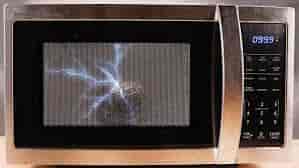
Although this is not oven-use, it is worth noting: foil is not safe in a microwave under most conditions (sparking, arcing) because it is metal and microwave energy reflects.
Best Practices for Using Foil in the Oven
To get the benefits and avoid the risks when using tin foil in the oven, follow these guidelines:
- Use food-grade aluminium foil: ensure it’s safe for cooking use.
- Don’t cover the entire oven rack or floor: If you line a rack, leave adequate space for air circulation. Don’t block vents.
- Avoid foil touching heating elements or walls: Place foil on pans/trays, not directly on oven surfaces.
- When covering food, tent the foil for roasted meats/fish to avoid over-browning or burning the surface.
- For acidic foods, either avoid direct contact with foil or use alternatives (e.g., parchment, glass, or ceramic).
- Choose heavy-duty foil when using at very high temperatures or for long durations. The thicker foil is less likely to tear.
- Ensure cleanup and safety: If foil is used under a roasting pan to catch drips, ensure it doesn’t block airflow or affect heat distribution.
- Check manufacturer’s instructions: Some ovens may specify limitations for foil use (especially for self-cleaning functions or special ventilation).
Alternatives & Situations Where Foil Might Not Be Best
Sometimes foil isn’t the optimal choice. Here are alternatives and when to use them:
- Parchment paper: Good for baking cookies, pastries, where you want even browning and minimal metal conduction.
- Silicone baking mats: Reusable, non‐stick, good for flat baking sheets and cleaner results.
- Ceramic/glass/roasting pans: If you’re worried about flavour changes or metallic reactions (acidic foods), non-metal containers can help.
- Tray under food rather than completely lining the oven: For catching drips, use a tray at the bottom rack rather than lining the oven floor with foil.
Special Tips for Ovens in Regions Like Nigeria / Africa
Since you’re in Ibadan, Oyo State (Nigeria) and maybe using different equipment or power conditions, here are region-specific tips:
- Check your oven’s specifications and manufacturer’s manual: If you have an older or less standard oven, ensuring ventilation and proper heat distribution is even more important.
- Ensure even airflow: In ovens with less consistent manufacturing or airflow, avoid foil blocking racks/vents. Place food in the centre rack when possible.
- High heat caution: While aluminium foil is safe for most typical temperatures (up to ~500 °F/260 °C or more), ensure you’re not using broiler settings or extremely high temperatures that might push its limits.
- Power fluctuations: If your region experiences power surges or unstable electricity, be extra careful that foil does not touch elements causing arcing.
- Local food practices: If you’re roasting heavy dishes, stews or large meats (common in Nigerian cuisine) consider using heavy-duty foil and ensure pan stability when removing from oven.
- Alternative materials availability: In case you don’t have high quality foil, or parchment is less available locally, adapt by using pans and cautious foil use rather than extreme lining.
Conclusion
So, can tin foil go in the oven? Absolutely with the right approach. It is a versatile tool for covering dishes, lining pans, wrapping foods, and streamlining cleanup. However, the details matter: avoid lining the oven floor, ensure foil doesn’t contact heating elements, avoid direct foil contact with highly acidic foods, and keep proper airflow. Follow best practices and your foil in the oven usage will be both safe and effective.
Also Read: Can You Put Tin Foil in an Air Fryer
FAQs
Q1: Is it safe to use tin foil at high oven temperatures (say 260 °C / 500 °F)?
Yes — foil is made of aluminium which has a melting point around 660 °C (1220 °F) so typical domestic oven temperatures are safe.
However, safe use depends on placement: the foil should not touch heating elements or be used in a way that blocks ventilation.
Q2: Does it matter which side (shiny vs. dull) of the foil is facing up when using it?
For most cooking uses, no. The difference between the “shiny side” and “dull side” of aluminium foil is a by-product of manufacturing and does not significantly affect cooking performance.
If using non-stick coated foil, follow the packaging instructions for which side faces food.
Q3: Can I reuse aluminium foil after oven use?
Yes — if the foil is still intact (no tears, heavy wrinkling, burnt areas) and clean, you can reuse it. But if it is heavily soiled, torn, or damaged, for safety and optimal cooking you should discard it. Also avoid reusing foil that was used with strongly acidic foods (which may have interacted with the foil).


+ There are no comments
Add yours