
The question “can you put tin foil in the microwave?” is asked so frequently that it’s become a kitchen-legend. In this article, we’ll explore this question in depth, covering how microwave ovens work, what happens when metal (including tin foil) goes into them, what the real risks are, and how you may or may not safely use aluminum foil in a microwave. Throughout the article we’ll use the focus keyword “tin foil in the microwave” in the title, first paragraph, and sprinkled through the content for clarity and SEO value.
How Microwaves Work
Microwave ovens heat food by sending microwave radiation (electromagnetic waves) into the cooking cavity. These waves cause water molecules (and some other molecules) in the food to vibrate, which produces heat. The key components:
- A magnetron generates microwaves.
- The waves bounce around inside the metal interior of the microwave until they find something to absorb them (food).
- If the waves are not absorbed (for example, if there is nothing suitable in the cavity), they can reflect back, which may damage the oven or cause other issues.
- Because metal surfaces reflect microwaves rather than allowing absorption, introducing metal inside changes the dynamics inside the microwave.
Why “Tin Foil in the Microwave” Is a Concern
The phrase “tin foil in the microwave” triggers warnings for good reason:
- Metal (including aluminium foil, often called “tin foil”) reflects microwaves. That means instead of being absorbed in food (which produces heat), the energy bounces off the foil.
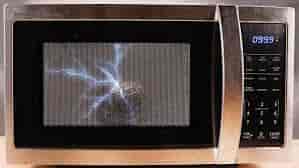
- If the foil is crumpled, has sharp edges, or is poorly positioned, it can act like an antenna and create arcing visible sparks inside the microwave.
- Arcing can damage the interior of the microwave, burn the food, or in extreme cases cause fire.
- Some studies (for example by Fraunhofer Institute for Process Engineering and Packaging IVV) have found that under controlled conditions foil containers can be used safely, but the conditions are strict.
- Consumer & manufacturer guidance typically recommends avoiding putting foil in the microwave unless it is explicitly permitted by the appliance’s manual.
Manufacturer Guidance: When It Might Be OK
While many people believe foil is always off limits, some manufacturers provide guidelines under very specific conditions:
- For example, according to Maytag’s blog: “Under the right circumstances and with certain precautions, you actually can put aluminium foil in the microwave.”
- Whirlpool states: “You can safely use aluminium foil in your microwave as long as you do so properly and follow the instructions provided in your appliance’s product manual.”
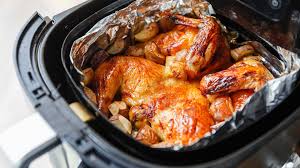
- GE Appliances advises: Aluminium foil is sometimes used to shield portions of a food item (like the tips or wings of a turkey) from over cooking but with constraints: the foil must be pressed tightly to the food, no loose/flapping edges, avoid sticking up from the food, and no large pieces of foil covering the food.
Key Caveats from those sources
- The foil must be flat, smooth, without crinkles or sharp edges.
- The foil must not touch the walls, floor, or ceiling of the microwave cavity, ideally leave about 1 inch (≈2.5 cm) clearance.
- Do not wrap the entire food item in foil, thereby preventing microwaves reaching the food because then the food will not heat properly and the waves will bounce back.
- Always check your microwave’s manual some models explicitly prohibit foil entirely. If your manual gives no permission, it’s safer to avoid it.
Why It Often Goes Wrong: Real Risks of Putting Tin Foil in the Microwave
Using foil in the microwave without proper care can result in several hazards:
a) Sparking (arcing)
When foil has folds, peaks, sharp edges, or “flags” sticking out, these can intensify the electric fields inside the cavity and cause sparks. One Reddit commenter explained:
“Microwaves cannot pass through metal but are absorbed by food. … The folds provide points where microwave radiation gets essentially trapped, bouncing around … you’ll get sparks jumping between them.”
b) Food not heating properly
If the food is covered by foil or wrapped such that microwaves cannot reach it, the food may remain cold while the oven is still energised wasting energy and potentially damaging the oven.
c) Damage to the microwave
Reflecting microwaves and arcing can damage the magnetron (the microwave’s core component), degrade the interior coating, create hotspots, or provoke fire.
d) Fire hazard
Although rare, if sparking ignites food packaging or other materials inside, a fire could result.
So, What’s the Bottom Line on “Tin Foil in the Microwave”?
Short answer: In general, it’s not recommended to put tin foil (i.e., aluminium foil) in a microwave unless you absolutely follow the manufacturer’s safe-use guidelines and understand the risks.
Detailed summary:
- If your microwave manufacturer explicitly allows small, well-placed smooth foil pieces (for shielding part of a meal), you may use foil very cautiously.
- If your microwave manual does not mention foil, or forbids it, you should not use foil in the microwave.
- Avoid wrapping the entire food item in foil or placing a large crumpled sheet of foil inside the microwave.
- Avoid letting the foil touch the sides or door of the microwave.
- Always observe the process: if you see sparks, stop immediately, turn the microwave off, remove the foil.
- For the typical household user, sticking to microwave-safe containers (glass, ceramic, microwave-safe plastic) is the simpler, safer path.
Practical Advice & Safe Use Guidelines
Here are actionable tips if you ever choose to use foil in the microwave:
- Check your manual first: look for “metal usage”, “foil usage”, “microwave safety”.
- Keep foil flat and pressed against the food no loose wings or crumples that can act as antennas.
- Leave space: Ensure the foil is at least ~1 inch (≈2.5 cm) away from the microwave walls, door etc.
- Only shield small parts: For example, you might shield the tips of chicken wings that are browning too quickly, not wrap the whole tray.
- Avoid touching other metal: If there is a metal turntable, metal shelves, or other metal inside the microwave, don’t let the foil contact them.
- Monitor while heating: Stay nearby. If you hear unusual noise or see sparks, stop immediately.
- Better safe than sorry: If uncertain, use microwave-safe cover (microwave‐safe lid or paper towel) instead of foil.
FAQs Addressing Common Reader Questions
Q1: Can I heat food wrapped entirely in aluminium foil in the microwave?
No — covering food completely in aluminium foil blocks microwaves from reaching the food, preventing heating and increasing risk of reflection, arcing or damage. Manufacturers advise against full wrapping.
Q2: Is there any situation where foil in the microwave is completely safe?
Yes — if the microwave’s manual authorises a small, smooth piece of foil used for shielding, and all the guidelines (flat foil, away from walls, no contact with other metal) are followed, it can be safe. But such situations are the exception, not the rule.
Q3: What materials are safe for microwave use instead of foil?
Typical safe materials: glass, ceramic (microwave-safe labelled), some plastics explicitly marked “microwave safe”. Avoid metal, foil, metal trimmed dishes, and metal containers unless microwave manuals say otherwise.
Also Read: Can Tin Foil Go in the Oven?
Conclusion
In summary: the focus question “can you put tin foil in the microwave?” really depends on context. For most everyday users, it’s safest to assume no, unless the microwave’s manufacturer specifically allows it under strict conditions. Using foil for shielding special parts of food may be permitted, but doing it wrong can result in sparking, food not heating, appliance damage or even fire. If you’re ever in doubt, swap the foil for a microwave-safe cover and follow standard safety practices.

+ There are no comments
Add yours