





Knowing how to use a tin opener may sound like a basic kitchen skill, but using one properly makes a world of difference. The right technique ensures you open cans cleanly, safely, and efficiently — without spilling food or cutting your fingers on sharp edges.
In 2025, the humble tin opener has evolved. New designs focus on smoother cuts, comfort grips, automatic safety features, and user-friendly ergonomics, thanks to modern testing and consumer feedback. Whether you’re a home cook, student, or restaurant worker, understanding how to use and choose the best tin opener can make your kitchen experience safer and faster.
Types of Tin Openers (Manual, Electric, and More)
Before learning the exact steps, let’s explore the types of tin openers available today. Each has its advantages and specific use cases.
1. Manual Rotary Tin Opener
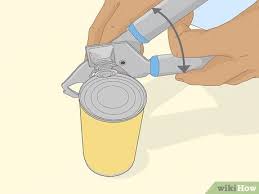
This is the classic design found in most kitchens. It has two handles and a rotating cutting wheel. To use it, you clamp the handles onto the can’s rim, then turn the knob to rotate the cutting wheel around the lid.
🟢 Best for: Everyday use, lightweight cans, users with good grip strength.
🔴 Downside: Can leave sharp edges if not used properly.
2. Side-Cut or “Safety Edge” Tin Opener
This design is a major innovation in 2025. Instead of cutting through the top, it slices around the side of the can — leaving a smooth, safe edge on both the lid and the can.
🟢 Best for: Families, children, and anyone who values safety.
🔴 Downside: Slightly higher cost but well worth it for safety.
According to The Spruce Eats (2025 update), side-cut can openers “leave the smoothest edges and eliminate injury risk entirely.”
3. Electric or Automatic Tin Opener
Electric openers are perfect for those who want effortless operation. You simply place the can, press a button, and the opener does the rest cutting cleanly and often lifting the lid magnetically.
🟢 Best for: Elderly users or people with limited hand strength.
🔴 Downside: Requires electricity or batteries, and not ideal for travel.
Good Housekeeping’s 2025 review notes that new electric openers now come with auto shut-off, magnetic lid removal, and anti-slip bases — making them far safer and faster.
4. Military or Portable Openers
Compact openers like the P-38 or P-51 are popular among campers and military personnel. They’re tiny, foldable tools that cut through the lid by leverage.
🟢 Best for: Outdoor use, camping, survival kits.
🔴 Downside: Requires more effort and control.
Preparing to Use a Tin Opener
Before using any opener, preparation ensures a smooth, hygienic experience.
- Clean the can top – Wipe away any dust, oil, or food residue to prevent contamination.
- Inspect the opener – Make sure the cutting wheel isn’t rusty or dull.
- Stabilize the can – Place it on a flat, sturdy surface.
- Dry your hands – Prevent slipping while turning the handle.
- Check the type of lid – Some cans already have pull-tabs; these don’t require openers.
Step-by-Step: How to Use a Manual Rotary Tin Opener
Here’s how to properly use a traditional manual opener — the most common household type:
Step 1: Position the Opener
Open the handles and place the cutting wheel on the outer edge of the lid’s rim. The clamp should rest beneath the rim.
Step 2: Clamp and Pierce
Squeeze the handles firmly to pierce the lid. Ensure the wheel is securely embedded in the metal.
Step 3: Rotate to Cut
Turn the knob clockwise, allowing the cutting wheel to travel smoothly around the can’s edge. Maintain even pressure throughout.
Step 4: Release and Remove the Lid
Once you’ve gone full circle, release the handles and lift the lid using the opener’s edge or a utensil. Avoid touching it with bare hands — the rim might still be sharp.
Step 5: Dispose and Clean Up
Dispose of the lid safely (wrap it or drop it in a separate bin). Wipe the can’s edge and clean your opener immediately after use.
How to Use a Side-Cut or Safety Edge Tin Opener
Side-cut models are becoming the most recommended in 2025 due to safety and hygiene.
- Position the opener horizontally across the top of the can.
- Clamp it just below the rim (you’ll hear a light “click”).
- Rotate the handle around the side until the lid is fully detached.
- Lift the lid — it will come off cleanly with no sharp edges.
✅ Pro Tip: The lid can even be replaced as a temporary cover, perfect for storing leftovers.
Simply Recipes (2025) highlights that this technique “reduces metal contamination and keeps food contact cleaner,” which is why many home chefs are switching to side-cut models.
How to Use an Electric Tin Opener
- Plug in or insert batteries.
- Place the can under the cutting mechanism.
- Press the activation button — the opener will automatically rotate the can.
- When it stops, remove the can and safely lift the lid using the magnetic holder.
Electric models are also ideal for large cans or people with arthritis.
A 2025 Good Housekeeping report praised the new Hamilton Beach Smooth-Touch for “automatic cutting, safe edges, and effortless operation.”
Common Mistakes When Using a Tin Opener
Even simple tools can be misused. Here are the top mistakes and how to avoid them:
| Mistake | Result | Fix |
|---|---|---|
| Not stabilizing the can | Can slips or spills contents | Place on flat surface |
| Weak clamp pressure | Partial cut or jagged edges | Firmly press handles together |
| Stopping mid-rotation | Lid tears or metal fragments | Rotate continuously |
| Using fingers to lift lid | Cuts and injury | Use utensil or magnetic lifter |
| Ignoring rust on opener | Contamination | Clean and dry after each use |
Reddit’s “HowTo” community still reports finger cuts as the #1 injury from old-style openers used incorrectly.
2025 Updates What’s New in Tin Opener Design
The year 2025 has introduced several key updates in how tin openers are designed and used:
1. Smooth-Edge Technology
Most premium openers now use smooth-edge cutting wheels that leave rounded edges on both the lid and can.
According to The Spruce Eats, these models are tested for “least sharp residue” and “best safety performance.”
2. Magnetic Lid Lifting
Many electric and manual models include built-in magnets to lift the lid automatically keeping hands away from sharp edges.
3. Ergonomic Handles
Modern handles are silicone-coated or rubber-padded, offering superior grip and comfort, especially for seniors.
4. Auto Shut-Off (Electric Models)
Automatic openers now stop once the cut is complete preventing motor burnouts and over-cutting.
5. Premium Coatings
Bonzer’s new “Classic R” matte-black opener launched in 2025 focuses on durability and hygiene, using corrosion-resistant materials.
6. Accessibility Design
Many brands now design openers with disability-friendly features, including large knobs and lightweight builds.
Safety Tips When Using a Tin Opener
- Always avoid touching the open lid directly.
- Clean both the can’s rim and the opener before use.
- Never force the opener if it’s jammed release and re-grip.
- Dispose of lids immediately after opening.
- Keep openers out of children’s reach.
- If using an electric model, unplug it before cleaning.
Maintenance and Cleaning
Keeping your tin opener clean ensures longevity and hygiene:
- Wash after every use – Use warm soapy water on the cutting wheel.
- Dry thoroughly – Prevent rusting and odor.
- Oil moving parts – Apply a small drop of food-safe lubricant if needed.
- Inspect monthly – Replace dull cutting wheels or worn handles.
- Store safely – Keep it in a drawer or utensil holder.
A dull opener requires more force and can produce jagged cuts one of the main causes of kitchen accidents.
Expert Recommendations for 2025
If you’re buying or upgrading your opener this year, consider the following top-rated models:
| Type | Recommended Model | Highlight |
|---|---|---|
| Manual | OXO Good Grips Smooth Edge | Soft grip, side-cut, dishwasher safe |
| Electric | Hamilton Beach Smooth-Touch | Auto shut-off, magnetic lid, no sharp edges |
| Budget | Kuhn Rikon Safety Lid Lifter | Compact, easy to clean |
| Professional | Bonzer Classic R (Black Edition) | Durable, ergonomic handle, food-grade steel |
Each model has been tested for safety, usability, and edge smoothness by 2025 kitchen tool reviewers.
Frequently Asked Questions
Q1: Can I use one opener for all cans?
Yes, but large or industrial cans may require a stronger or electric model. Always match opener size to the can.
Q2: How do I open a can without a tin opener?
If you have no opener, use a spoon or knife to rub and pierce the lid gradually but this method is risky and not recommended unless it’s an emergency.
Q3: What’s the safest type of opener in 2025?
The side-cut (smooth-edge) opener remains the safest choice, eliminating jagged edges entirely.
Q4: How long should a tin opener last?
With regular cleaning and care, a good stainless-steel opener can last 3–5 years or longer.
Conclusion
Learning how to use a tin opener properly remains one of the simplest yet most essential kitchen skills. In 2025, technology has made it easier than ever from smooth edge manual models to fully automatic electric ones with magnetic lids and safety stops.
Whichever opener you use, the golden rules are:
- Keep it clean,
- Handle lids carefully,
- And choose a model that fits your strength and safety needs.
A reliable tin opener turns what used to be a frustrating task into a smooth, one-handed, and safe experience. Whether at home, on the go, or in a professional kitchen you’ll always be ready to open your next can with confidence.
Also Read: Gas Cooker Price in Nigeria: A Comprehensive Guide



+ There are no comments
Add yours